
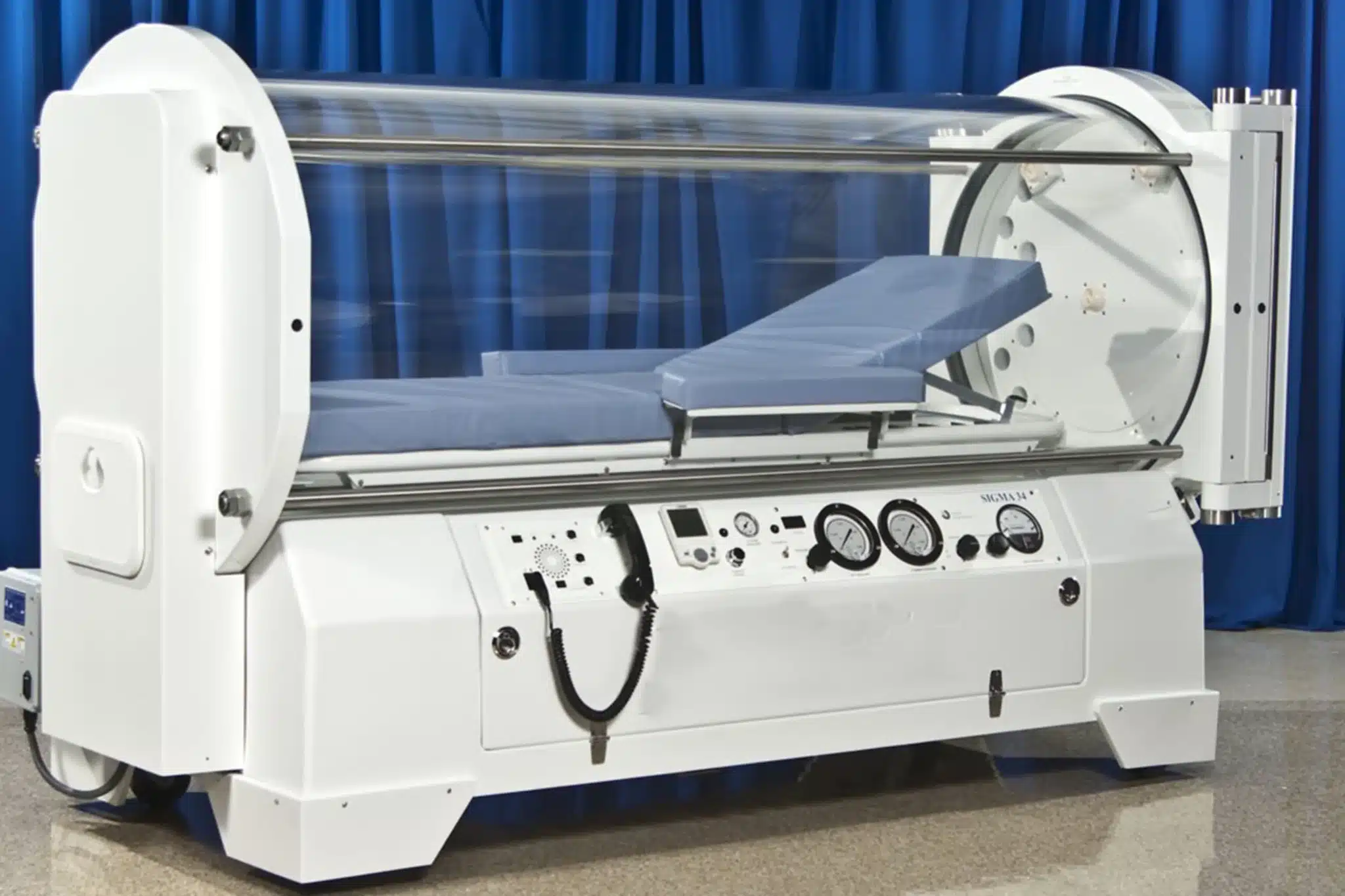
Wound Care Delaware provides wound care. Parts of this page describe oxygen therapy and recovery in general terms, including uses outside wound care; that material is background information and does not describe services offered here. The services this practice provides are listed on our services page.
At Wound Care Delaware, we offer innovative alternatives to traditional Hyperbaric Oxygen Treatments, focusing on advanced therapies designed to enhance wound healing and improve overall patient outcomes. Our approach utilizes cutting-edge techniques such as oxygen-enhanced therapies, advanced wound dressings, and tailored nutritional support to stimulate circulation and promote tissue regeneration. By addressing the underlying factors contributing to slow-healing wounds, our dedicated team ensures that each patient receives a personalized treatment plan that prioritizes comfort and effectiveness. With a commitment to providing safe and effective healing solutions, Wound Care Delaware empowers individuals to reclaim their health and well-being.
Oxygen Concentrators and Their Use
Oxygen concentrators are devices designed to provide a continuous flow of oxygen to patients with various conditions, including chronic respiratory illnesses and recovery from procedures. Unlike traditional oxygen tanks which store liquid oxygen, these machines extract oxygen from ambient air, concentrating it for therapeutic use. This system allows for greater mobility and convenience, making oxygen therapy more accessible for individuals who require long-term support. Patients benefit from the portability of oxygen concentrators, enabling them to engage in daily activities without relying on heavy tanks.
In wound care the relevant question is tissue oxygenation. Chronic and diabetic wounds often sit in tissue where circulation is impaired, and oxygen availability is one of the factors that shapes how a wound bed behaves. Approaches that aim to support perfusion and oxygen delivery are therefore discussed alongside dressing selection, debridement and offloading rather than in place of them. Whether any particular approach is appropriate depends on the wound, the patient and their other conditions, and is a decision for your clinician; this page is general information, not a treatment recommendation.
How They Work
Oxygen concentrators operate by filtering ambient air to extract oxygen, delivering it in a concentrated form. This device compresses and dries the air, passing it through a molecular sieve that selectively isolates oxygen molecules. The extracted oxygen is then enriched and stored for use in various medical applications, such as treating patients with respiratory issues or enhancing physical wellness. These machines function effectively under standard atmospheric pressure, providing a steady supply of oxygen without the need for specialized environments.
The effectiveness of oxygen concentrators can be influenced by factors like the frequency of use and the specific medical conditions being treated. For individuals experiencing chronic conditions such as COPD, consistent oxygen delivery can significantly improve quality of life. The ability of the concentrators to administer precise oxygen doses helps manage fatigue and breathing difficulties. Patients benefit from a flexible approach that allows for continued treatment outside of a clinical setting, reducing the need for more invasive procedures or complicated equipment.
The Impact of Exercise on Recovery
Exercise plays a crucial role in the recovery process from various medical conditions, including muscle injuries and post-operative rehabilitation. Physical activity can enhance circulation, allowing for improved oxygen delivery to tissues. This increase in blood flow also supports the function of white blood cells, which play a key role in the immune response and tissue repair. Engaging in regular exercise can stimulate the production of molecules that promote healing while reducing the risk of complications, such as reperfusion injury.
Incorporating exercise into recovery plans can also contribute to mental well-being. Physical activity has been shown to improve cognitive function and alleviate symptoms associated with stress or depression, which are common during recovery. A holistic approach that includes exercise, alongside other therapies, can maximize the benefits for individuals dealing with disability or chronic conditions. Overall, establishing a routine involving exercise may enhance recovery outcomes and promote long-term health.
Benefits of Physical Activity
Engaging in regular physical activity has profound benefits for both physical and mental health. Exercise stimulates the release of endorphins, which can alleviate pain and enhance mood, making it particularly beneficial for individuals suffering from migraines or chronic pain conditions. Active individuals report improved energy levels and a greater sense of well-being, contributing to overall quality of life. Furthermore, physical activity may aid in the management of conditions such as gout and complex regional pain syndrome, through enhanced circulation and reduced inflammation.
Aside from immediate benefits, consistent physical activity plays a significant role in long-term health outcomes. It can enhance the body’s immune response, which is crucial for healing from various ailments. Exercise has been linked to better management of stress and lower incidence of anxiety, further promoting holistic healing. Engaging in different forms of physical activity, from cardiovascular workouts to strength training, can help manage weight and reduce the risk of chronic diseases, ultimately leading to improved overall health.
Pain Management Strategies for Migraine
Migraine attacks can significantly disrupt the quality of life for those affected. A variety of pain management strategies exist, ranging from pharmacological treatments to complementary therapies. Opioid medications might be considered in severe cases, though they come with risks, including dependency and side effects. Other options include dihydroergotamine, which can provide relief for some individuals. Non-pharmacological approaches offer additional avenues. Techniques such as bioresonance therapy and psychological interventions may help patients cope with pain and reduce the frequency of attacks.
Physical activity plays a crucial role in managing migraines. Regular exercise may enhance neuroplasticity and alleviate stress, potential triggers for migraine episodes. Tailored exercise programs can support the healing of hypoxic tissue and improve overall muscular endurance. Incorporating stretching and relaxation techniques could further help mitigate symptoms. Each individual's experience with migraines is unique, necessitating a personalized approach to treatment. Understanding the intricate relationship between lifestyle factors and migraine management can empower patients to take control of their condition.
Comparing Treatment Options
In recent years, various treatment options have emerged as alternatives to hyperbaric oxygen therapy (HBOT) for conditions such as chronic pain, migraines, and traumatic brain injuries. Oxygen concentrators offer a portable solution, delivering medical-grade oxygen directly to patients. This method can help address hypoxia in various conditions, providing oxygen to tissues where circulation may be compromised. In addition, the use of oxygen tanks or hoods is a viable option for those who cannot access hyperbaric chambers. Such alternatives can reduce the risk of barotrauma associated with extreme pressure changes.
Physical activity has also gained recognition as a complementary approach to traditional pain management. Regular exercise not only helps reduce chronic inflammation but also encourages emotional regulation, which can alleviate symptoms of anxiety often experienced by individuals in pain. Comparing analgesic effects of exercise with medication reveals that physical activity may reduce reliance on opioids during opiate withdrawal, offering a safer pathway amid the ongoing opioid epidemic. Furthermore, engaging in exercise can improve functional connectivity within the brain, enhancing resilience against conditions like radiation-induced side effects and promoting faster recovery. Learn more about our chronic wound care and specialized diabetic dressings to support your healing journey.