
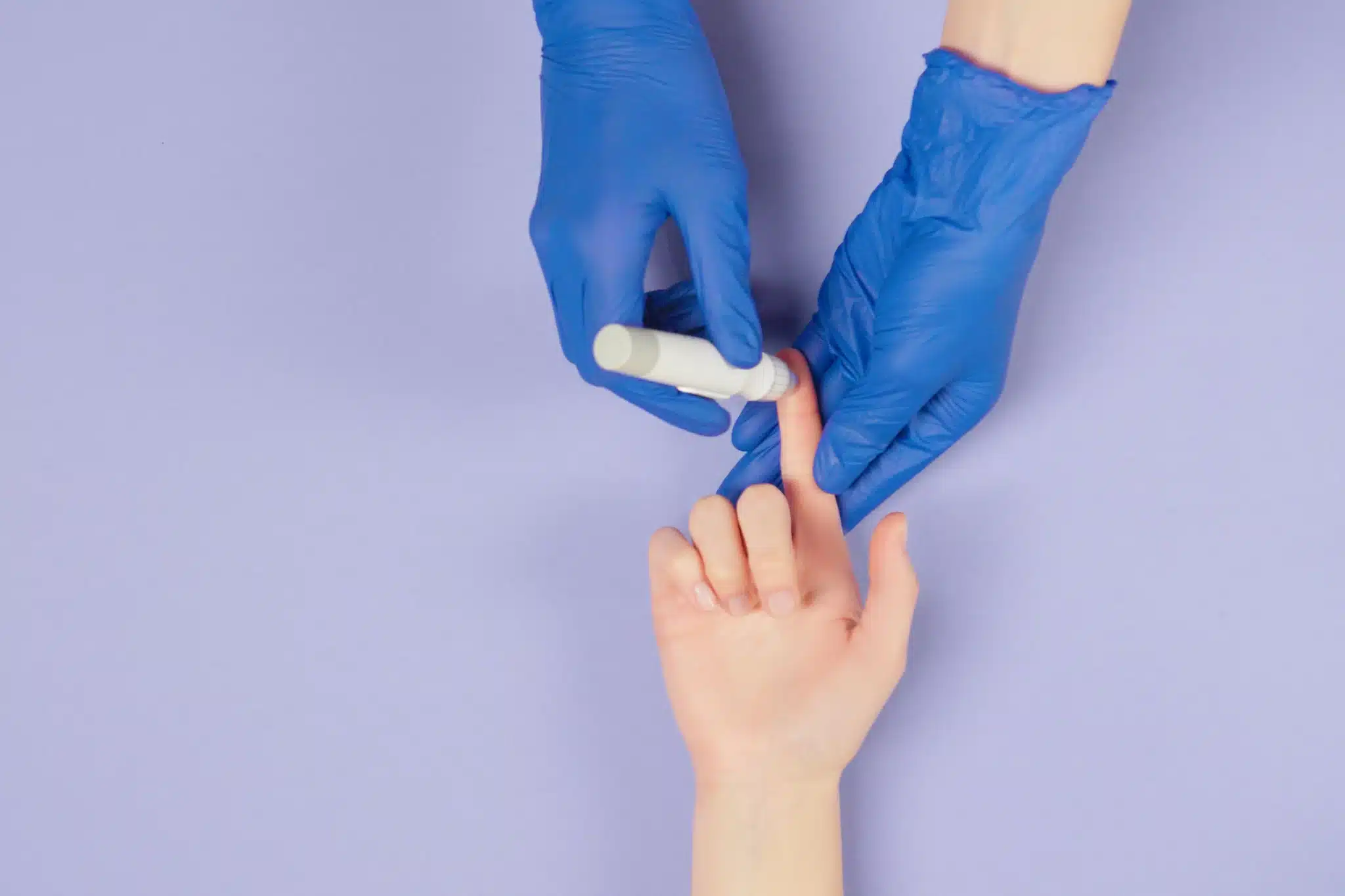
At Wound Care Delaware, ourDiabetic Ulcer Care service is dedicated to providing comprehensive and specialized treatment for individuals suffering from diabetic foot ulcers. With a team of experienced professionals, we focus on personalized care plans that address the unique needs of each patient. Our approach includes advanced wound healing techniques, pain management, and education on proper foot care to prevent future complications. We understand the challenges posed by diabetes, and our goal is to promote healing, improve quality of life, and empower our patients with the knowledge and tools necessary to manage their condition effectively. At Wound Care Delaware, we prioritize compassionate care and effective solutions to help our patients regain their health and mobility.
Role of Nutrition in Healing
Nutrition plays a critical role in the healing process for diabetic foot ulcers. Adequate nutrient intake is essential for wound healing, as nutrients such as proteins, vitamins, and minerals contribute to tissue repair and regeneration. Patients with diabetes often face challenges such as poor glycemic control, which can impede the healing process. A balanced diet that focuses on low glycemic index foods can help in maintaining stable blood sugar levels, thus promoting better healing outcomes.
Inadequate nutrition can lead to complications, including increased risk of infection and delayed wound closure. For patients with diabetic foot ulcers, proper wound care is essential, but it should be complemented by appropriate nutritional support. Incorporating specific nutrients that support the extracellular matrix and promote angiogenesis can enhance healing. Monitoring nutritional intake and making necessary adjustments in diet can significantly impact the recovery process, helping to prevent further complications like gangrene or amputation.
Impact of Blood Sugar Control
Maintaining stable blood sugar levels is crucial for the healing of diabetic wounds. High blood sugar can lead to various complications, including impaired circulation and slowed wound closure. Elevated glucose can disrupt immune function, making the body more susceptible to bacterial infection. This is particularly significant for those with diabetic neuropathy, as reduced sensation may prevent individuals from recognizing pressure sores or blisters on the feet. Clinicians emphasize the importance of stringent diabetes management to minimize these risks.
Effective blood sugar control contributes to improved outcomes in wound healing. With optimal glucose levels, fibroblasts and other cells involved in tissue repair function more efficiently. When blood sugar is chronically high, inflammation can persist, delaying the formation of granulation tissue and prolonging recovery. Multidisciplinary teams, including healthcare professionals like podiatrists and nurses, often collaborate to create comprehensive care plans that address both blood sugar management and proper wound care techniques. These strategies are vital for enhancing the quality of life for individuals with diabetes mellitus and preventing further complications.
Advanced Treatment Techniques
Negative pressure wound therapy has emerged as a gold standard in treating diabetic ulcers. This technique utilizes a specialized vacuum dressing to create negative pressure on the wound site. The pressure accelerates healing by increasing blood perfusion and reducing edema. Granulation tissue forms more effectively under these conditions, minimizing necrotic tissue and promoting a healthier environment for healing. Evidence suggests that this method can decrease the risk of infections, including cellulitis and abscess formation, which are critical in managing complications associated with diabetes mellitus.
Innovative therapies are continually evolving to enhance the outcomes for patients suffering from diabetic ulcers. Platelet-rich plasma (PRP) therapy stands out as a promising option, leveraging the body's own healing properties to stimulate tissue regeneration. Additionally, skin grafts for diabetic patients may be employed to cover large ulcers or areas with severe damage. Biopsy and laboratory tests can provide insights into the specific needs of the ulcer's environment, allowing healthcare professionals to tailor treatments effectively. As research advances, the utilization of growth factors like granulocyte colony-stimulating factor is becoming more common in clinical settings, offering potential for improved healing processes.
Exploring Innovative Therapies
Innovative therapies play a crucial role in advancing the treatment of diabetic ulcers. Techniques such as negative pressure wound therapy (NPWT) and hyperbaric oxygen therapy (HBOT) have gained attention for their effectiveness in promoting healing. NPWT creates a vacuum environment that helps remove excess fluid and encourages blood flow to the wound site. On the other hand, HBOT enhances oxygen levels in tissues, facilitating the repair process. Combining these treatments with specialized dressings like hydrofiber and biocompatible scaffolds can significantly improve outcomes by providing the necessary environment for regeneration.
Another promising area of exploration involves the use of biosurgical approaches aimed at enhancing the body's natural healing processes. Platelet-rich plasma (PRP) therapy, which utilizes the healing properties of a patient's own platelets, promotes tissue repair and regeneration. Decellularized tissue matrices offer a scaffold rich in extracellular matrix proteins, supporting cell migration and tissue integration. These innovative therapies seek to address complex challenges associated with diabetic foot ulcers, significantly reducing the risk of chronic wounds and potential limb loss.
Preventing Diabetic Ulcers
Diabetic ulcers represent a significant risk for individuals living with diabetes, especially for those experiencing conditions like sensory neuropathy and poor blood flow. Preventive measures are crucial to minimize the development of these wounds. Regular foot examinations by healthcare professionals can help identify minor issues such as ingrown toenails or calluses before they escalate. It's important for individuals to maintain proper foot hygiene, wear well-fitting shoes, and keep toenails trimmed to prevent potential complications that can arise from minor injuries.
Incorporating a healthy diet is vital for overall health and effective management of blood sugar levels. Keeping blood glucose under control can significantly reduce the risk of ischemic wounds that may progress to ulcers. Staying active enhances blood circulation, which aids in tissue repair. Additionally, quitting smoking can improve vascular health and further decrease the likelihood of developing foot complications. Using antibacterial dressings and monitoring any changes in foot condition should be part of a comprehensive approach to preventing diabetic ulcers. For those dealing with slow-healing wounds, explore our Care for Non-Healing Wounds service to receive expert attention and guidance. Regular communication with healthcare providers about potential risks can foster a proactive strategy in maintaining foot health.
Best Practices in Foot Care
Maintaining proper foot care is essential for diabetic patients to prevent complications such as ulcers and infections of the skin. Regular inspections of the feet can help identify issues early, including cuts, blisters, or signs of venous insufficiency. Diabetics should look out for changes in skin color or texture, as these may indicate underlying problems. Daily cleaning and moisturizing of the feet are critical, but care must be taken to avoid applying lotion between the toes to prevent excess moisture that could lead to fungal infections.
Footwear choices play a significant role in foot health. Wearing well-fitting shoes that provide adequate support can help alleviate pressure points that contribute to the development of ulcers. Patients should avoid walking barefoot, even at home, to minimize the risk of injury. Regular visits to a podiatrist are important for monitoring foot health, especially for individuals experiencing neuropathy or those with a history of foot complications. Utilizing protective padding or custom orthotics may be beneficial in managing pressure areas effectively.