
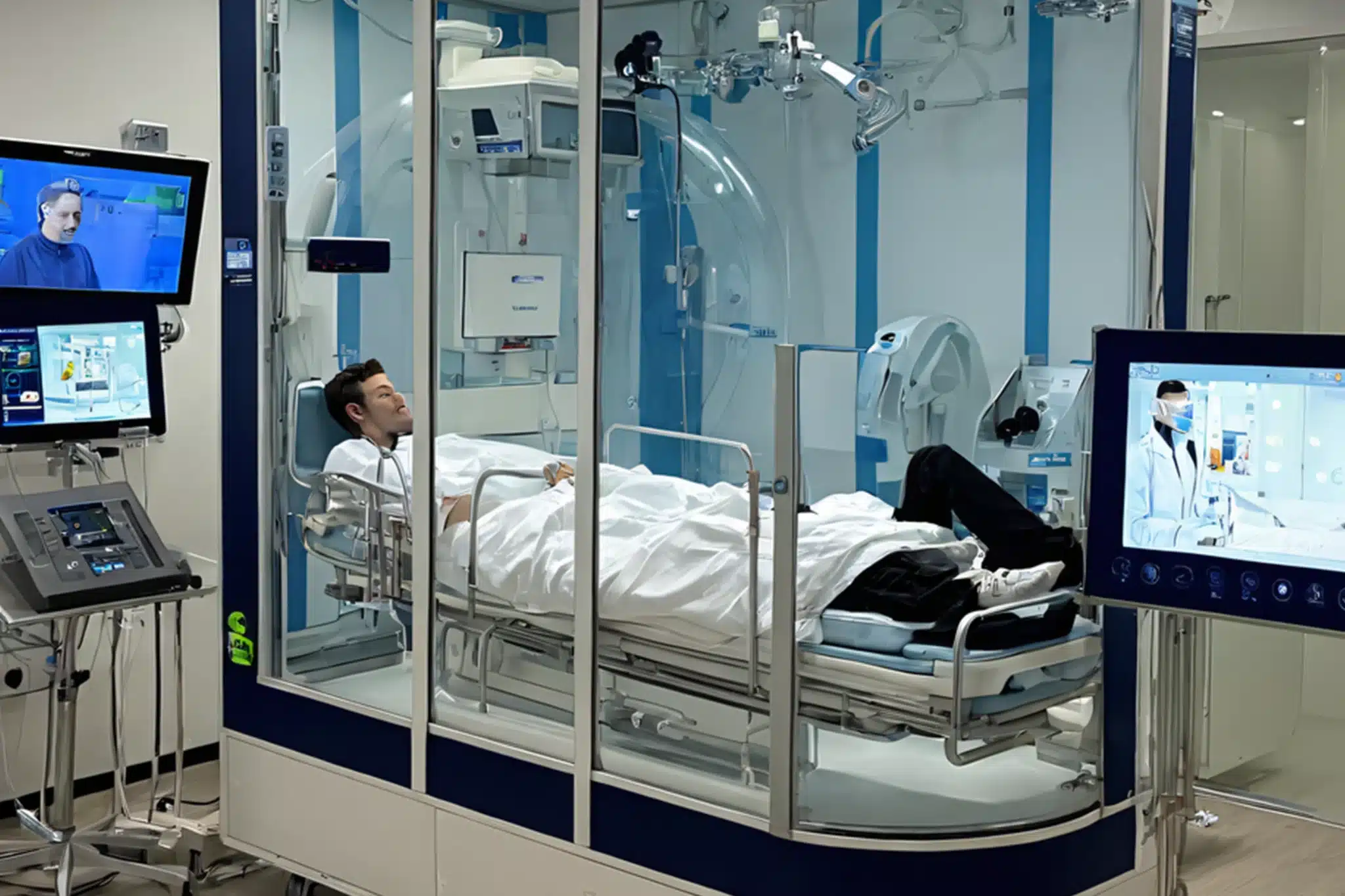
Hyperbaric oxygen therapy is delivered in a pressurized chamber at a fixed facility. Wound Care Delaware also publishes a separate service covering approaches that support wound healing without a chamber. Before attending for hyperbaric oxygen therapy, please call (302) 404-2541 to confirm what is available and where, and see our page on alternatives to hyperbaric oxygen treatments.
Wound Care Delaware specializes in providing comprehensive wound care and hyperbaric medicine services designed to promote optimal healing and enhance patient recovery. Our dedicated team of healthcare professionals employs the latest techniques and technologies to treat a variety of wounds, including diabetic ulcers, surgical wounds, and traumatic injuries. Through the use of hyperbaric oxygen therapy, we help accelerate healing by delivering high concentrations of oxygen to damaged tissues, which fosters a conducive environment for recovery. At Wound Care Delaware, we prioritize individualized treatment plans tailored to each patient's specific needs, ensuring that every patient receives the highest level of care and support on their journey to healing.
Safety Considerations in Hyperbaric Therapy
Hyperbaric oxygen therapy (HBOT) has become an essential treatment for various chronic wounds and injuries. However, patients must be thoroughly evaluated to identify any contraindications before treatment begins. Conditions such as respiratory illness, certain cardiovascular issues, or a history of seizures can pose risks during therapy. Moreover, individuals with untreated pneumothorax or those who have experienced recent surgeries requiring air-filled cavities should be carefully screened to prevent complications like barotrauma.
Monitoring patients throughout their sessions is critical to ensure safety. The hyperbaric chamber's pressurized environment can lead to complications, including decompression sickness and vascular complications. Therefore, healthcare providers must have a clear understanding of how hyperoxia facilitates wound healing while being aware of potential side effects. Consistent evaluations allow for timely interventions if complications arise, ensuring that patients receive the most effective and safe care during their hyperbaric treatment.
Common Risks and Complications
Hyperbaric therapy, while beneficial for many patients, carries certain risks and complications that must be considered. Common issues include barotrauma, which can occur if there is a difference in air pressure between the inside of the body and the surrounding environment. This condition may affect the ears and sinuses, resulting in pain or injury. Other potential complications include pneumothorax, which involves the collapse of the lung due to air leaks, and subsequent reperfusion injury following recompression. Additionally, patients with a history of claustrophobia may struggle with the confined space of the hyperbaric chamber, impacting their ability to undergo treatments comfortably.
The management of soft tissue injuries such as chronic non-healing wounds can be complex. Patients may experience thermal burns or allergic reactions to the equipment used during hyperbaric treatment. Infections caused by compromised blood supply can lead to severe symptoms, further complicating recovery. It is crucial to assess each patient’s health status thoroughly, considering any underlying conditions such as diabetes or previous infections that could affect outcomes. Monitoring through transcutaneous oximetry can assist in evaluating wound healing and guiding treatment protocols, while effective collaboration among healthcare professionals is essential to mitigate these risks.
The Role of the Healthcare Team
A successful approach to wound care in the context of hyperbaric medicine relies heavily on a collaborative effort from a multidisciplinary team. Healthcare providers, including physicians, nurses, nutritionists, and therapists, all play crucial roles. Each professional offers unique expertise that enhances patient outcomes. Coordination among specialists allows for comprehensive evaluation and treatment plans tailored to individual needs. Consistent communication ensures that everyone is aligned with the patient's goals, particularly when addressing complex cases such as diabetic foot ulcers or radiation injuries.
Patient education is a key aspect of the healthcare team's role. Educating patients about their conditions and treatment options fosters engagement and encourages adherence to care protocols. Providers must explain the benefits of hyperbaric therapy, detailing how increased oxygenation aids in healing and combats infections like gas gangrene. Healthcare teams also address logistical matters, such as insurance coverage and treatment scheduling. This thorough approach not only optimizes patient care but also reinforces the importance of a well-rounded support system in managing chronic conditions.
Collaboration Among Specialists in Wound Care
Effective wound care requires a multidisciplinary approach, bringing together professionals from various specialties. Physicians specializing in podiatry, plastic surgery, and emergency medicine can collaborate to establish a comprehensive treatment plan that addresses the complex needs of patients with chronic or acute wounds. The integration of these specialists ensures that all aspects of a patient's condition are considered, from the basic management of diabetic foot wounds to advanced hyperbaric oxygen therapy for conditions such as osteoradionecrosis and complications arising from ischemia.
Communication among team members plays a critical role in optimizing patient outcomes. Regular meetings and case discussions allow for the sharing of insights and updates regarding individual patient progress. This collaborative environment encourages specialists to explore innovative treatment options together, such as negative pressure wound therapy in conjunction with hyperbaric treatments, ultimately enhancing the healing process for patients suffering from severe infections, necrotizing fasciitis, or compromised tissue integrity.
Patient Selection for Hyperbaric Treatment
Selecting appropriate candidates for hyperbaric medicine is essential for successful treatment outcomes. Patients with chronic non-healing wounds, such as venous stasis ulcers and pressure ulcers, can benefit significantly from hyperbaric therapy. Conditions like necrotizing soft tissue infections and the late effects of radiation damage also warrant consideration for intensive oxygen treatment. A thorough assessment of patients' medical histories and current health statuses is necessary to identify those who may experience the greatest benefit from this therapy.
Potential risks must also be weighed when evaluating candidates for hyperbaric treatment. Individuals with a history of pulmonary disease or those at risk of oxygen toxicity require careful scrutiny. Evaluating vascular health through angiography can help determine the condition of arteries and veins, guiding treatment decisions. Collaboration among primary care physicians, internists, and specialists like podiatric surgeons ensures a comprehensive evaluation, fostering a stronger doctor-patient relationship and enhancing the likelihood of positive outcomes.
Criteria for Optimal Candidate Assessment
Assessing candidates for hyperbaric oxygen therapy involves a thorough evaluation of their medical history and current health status. Physicians must evaluate factors such as glycaemic control in diabetic patients, the presence of chronic infections, and any ongoing treatments that may impact oxygen delivery. Consideration of underlying conditions, including heart failure or chronic obstructive pulmonary disease, is essential. The examination of individual patient responses to prior treatments can also inform decision-making regarding their suitability for hyperbaric therapy.
Engagement with a multidisciplinary team enhances the assessment process. Collaboration among various specialists, including vascular surgeons, can provide valuable insights into the patient's wound status and overall health. A complete physical exam and the use of diagnostic tools, such as oximetry, allow for a more accurate understanding of the patient’s needs. Additionally, addressing potential complications such as swelling or the risk of reperfusion injury is crucial in determining the appropriateness of this treatment modality for limb salvage and healing chronic ulcers.