
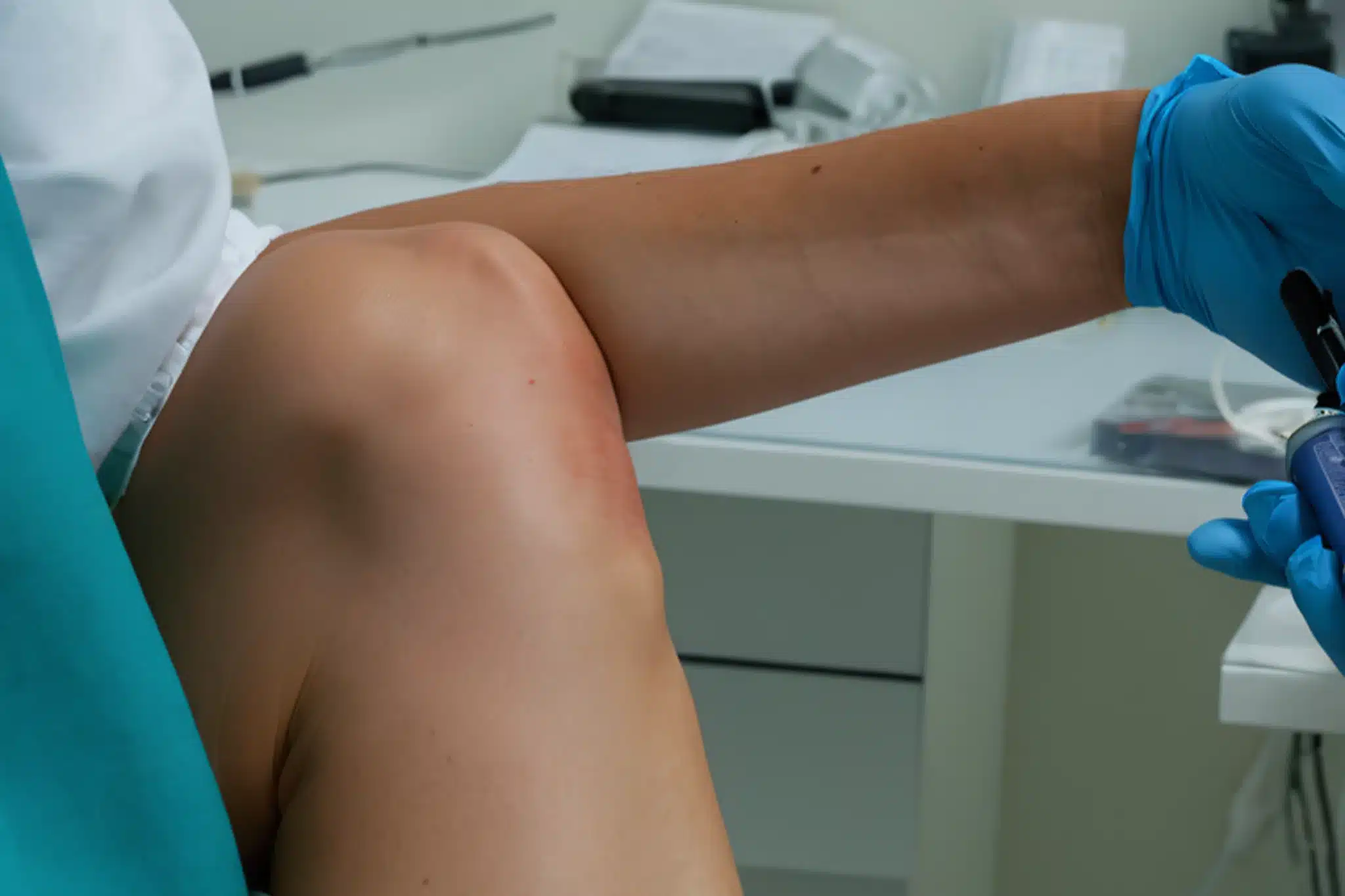
At Wound Care Delaware, we offer specializedDiabetic Skin Graft services designed to aid patients suffering from diabetic-related wounds. Our expert team employs advanced techniques to facilitate the healing process, using high-quality skin grafts that promote tissue regeneration and reduce the risk of infection. We understand the unique challenges that diabetes poses to wound healing, which is why we tailor our treatments to meet each patient's individual needs. With compassionate care and state-of-the-art technology, we strive to improve our patients' quality of life by helping them achieve effective healing and regain their independence.
Risks and Considerations
Diabetic patients face unique challenges when it comes to skin grafts due to their underlying conditions. The risk of infection, slow wound healing, and complications from existing comorbidities significantly increases. Individuals with diabetes often struggle with circulation issues, which can hinder the delivery of essential nutrients and oxygen to healing tissues. Additionally, the presence of neuropathy may lead to a decreased awareness of injuries, complicating postoperative care and monitoring.
Clinical trials have shown that factors such as sample size, methods of randomization, and blinding can affect the perceived efficacy of interventions aimed at treating diabetic foot ulcers with skin grafts. Potential biases in retrospective studies may skew results, emphasizing the importance of well-designed controlled trials. The choice of graft material, be it allograft or dermal substitutes, can also influence outcomes. Adverse events associated with these procedures warrant thorough investigation to ensure optimal patient safety and care practices.
Potential Complications with Skin Grafting
When considering skin grafting for diabetic patients, there are various potential complications that can arise. Infection remains a significant concern and can adversely affect healing and graft survival. Patients with diabetes often experience impaired wound healing due to vascular complications, which can further exacerbate the risk of infection. Chronic wounds, such as venous leg ulcers and chronic wounds, may also complicate the grafting process. Insufficient evidence exists regarding the best practices for managing these risks, making it crucial for healthcare providers to evaluate the individual patient's condition thoroughly.
Pain management is another critical aspect to consider in the context of skin grafting. The grafting procedure itself can be painful, and the post-operative period may involve significant discomfort. Effective wound dressing and compression therapy have been shown to improve outcomes, but adherence to these methods can be challenging. Moreover, factors affecting the quality of life, such as anxiety and fear of complications, can influence a patient's compliance with post-operative care. Collaboration among healthcare professionals, including wound care specialists, can enhance the management of these complications, ensuring that patients receive optimal care throughout their recovery journey.
Success Rates of Various Treatments
Various methods for treating diabetic skin grafts have been explored extensively in clinical studies. Treatments such as split-thickness skin grafts and the application of amniotic membrane have shown promising results in enhancing healing rates. Observational studies indicate that patient demographics, including age and comorbidities, can significantly influence treatment outcomes. In particular, the presence of systemic diseases, like diabetes, complicates the healing process, often resulting in a higher likelihood of complications. Data analysis of randomized controlled trials points to a notable difference in success rates across different therapies, suggesting that no single approach qualifies as the definitive standard of care.
The efficacy of wound management strategies is further supported by evidence-based guidelines emphasizing the importance of individualized treatment plans. Antimicrobial gels and artificial skin products have emerged in recent years as viable options for promoting granulation tissue formation. Research indicates that these approaches can enhance perfusion and reduce exudate in chronic wounds, particularly venous ulcers. Meta-analyses reveal that incorporating compression therapy alongside traditional grafting techniques may yield improved clinical outcomes. Achieving such results depends on meticulous attention to both systemic factors and local wound care practices.
Comparing Efficacy Across Different Groups
The efficacy of various wound treatment modalities, particularly in patients with diabetic foot ulcers, presents a complex landscape shaped by a multitude of factors. Randomized studies and meta-analyses indicate that negative pressure wound therapy (NPWT) significantly enhances wound healing compared to traditional methods. This advancement is linked to its ability to promote angiogenesis and modulate the microenvironment of the ulcer, fostering epithelialization. Such findings are crucial for developing evidence-based guidelines tailored to diabetic patients, who often experience comorbidities that complicate treatment outcomes.
Additionally, the application of dermal replacement products has shown promise, particularly in cases where patients have chronic venous insufficiency or pressure ulcers. Clinical evidence reveals varying rates of success influenced by factors such as vascular health, compliance with prescribed therapies, and individual variations in healing responses. Research utilizing propensity scores and intention-to-treat analysis can help clarify these disparities, emphasizing the importance of thoughtful treatment selection in improving patient outcomes across diverse populations. Such insights are vital in addressing the challenges posed by wound healing in those with multiple underlying conditions.
The Role of Dressing and Compression Therapy
Effective management of diabetic ulcers hinges on the careful selection of dressings and compression therapy. Various types of dressings, including hydrocolloids and hydrogels, promote a moist wound environment, which is essential for the healing process. This is particularly important given the impaired healing seen in many diabetics due to reduced blood flow and neuropathy. Dressings must also be chosen based on their ability to manage exudate and prevent infection, issues that are particularly critical for patients with compromised immune responses.
Compression therapy plays a vital role in improving blood circulation and reducing swelling in the affected areas. For individuals with venous insufficiency or peripheral vascular disease, the use of compression stockings can significantly improve healing outcomes while decreasing the risk of further complications. Clinical studies show that combining proper dressings with modeled compression can enhance tissue perfusion and assist in cellular repair mechanisms. Understanding the best practices in dressing changes and compression application is thus imperative for optimizing patient care in this population.
Improving Wound Management Outcomes
Effective wound management is paramount in addressing complications associated with diabetes mellitus. The integration of advanced wound dressings, such as those incorporating growth factors or artificial skin, can enhance healing outcomes, especially in cases of chronic non-healing wounds. Regular monitoring of the wound environment is crucial, and healthcare practitioners must utilize electronic health records to track patient progress and adjust treatment protocols accordingly. This data-driven approach allows for personalized care tailored to individual demographics and health profiles.
Additionally, incorporating compression therapy can significantly improve circulation to affected areas. Studies indicate that appropriate dressing selection and timely interventions can reduce the risk of infection and promote faster recovery. The use of acellular dermis and biocompatible materials, such as polylactic acid, further supports tissue regeneration. Providers must consider these options while evaluating patients, as achieving optimal glycemic control remains essential for successful wound healing outcomes. Regular follow-ups and patient education enhance the overall management strategy, ensuring timely intervention and adjustment of treatment as necessary.