
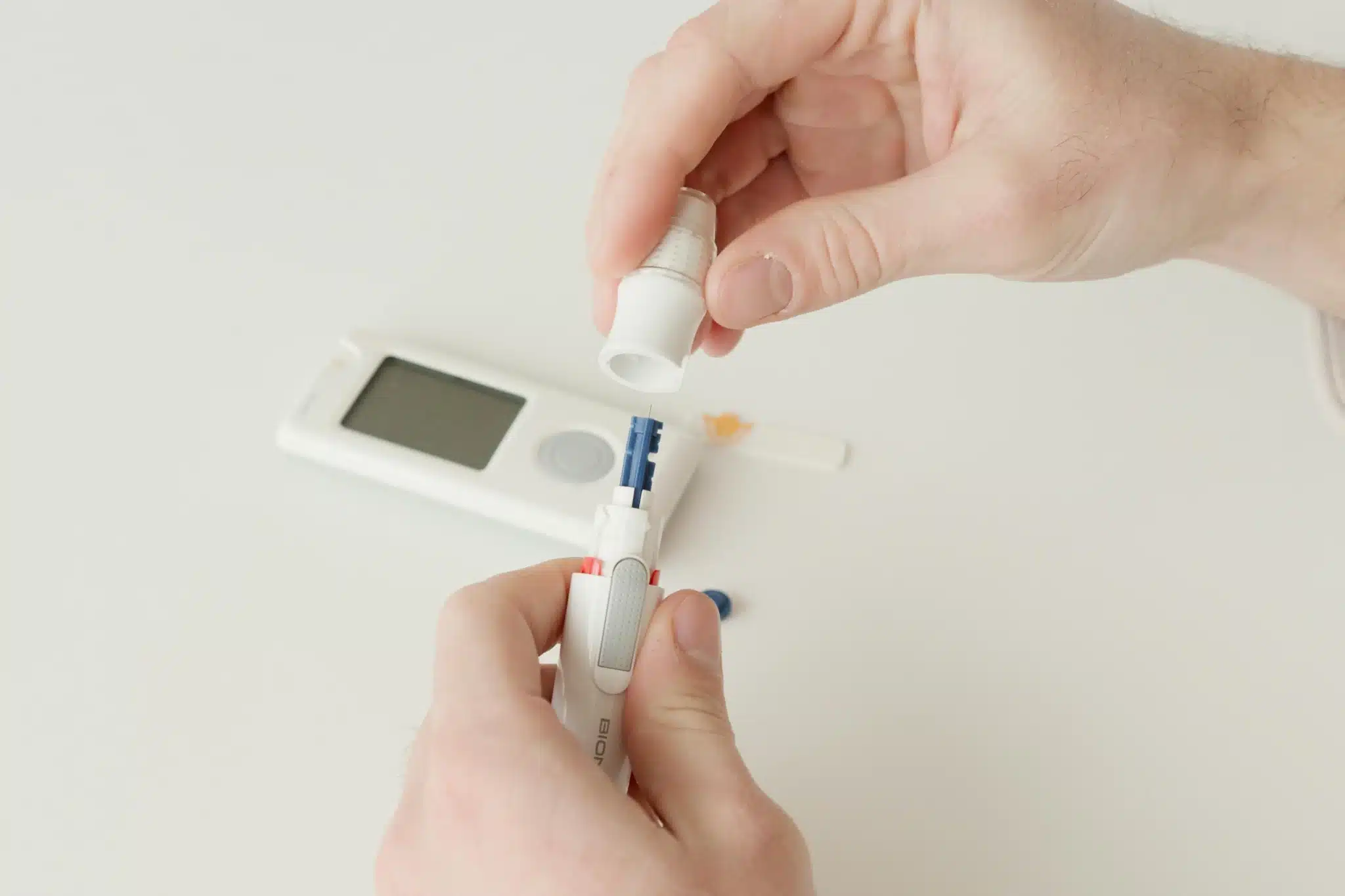
At Wound Care Delaware, we specialize in the comprehensive treatment of diabetic debridement ulcers, providing patients with expert care tailored to their unique needs. Our skilled team employs advanced techniques to safely remove dead or infected tissue from ulcerated areas, promoting better healing and reducing the risk of complications. We understand the challenges faced by individuals with diabetes, and our compassionate staff is dedicated to creating personalized treatment plans that emphasize not only effective wound care but also education on managing diabetes. By combining state-of-the-art technology with a holistic approach, Wound Care Delaware ensures that every patient receives the highest quality of care to enhance recovery and improve their quality of life.
The Healing Process of Wounds
Wound healing involves a complex and dynamic process that consists of several overlapping stages. Initially, hemostasis occurs, where blood vessels constrict and platelets aggregate to form a clot. This is followed by inflammation, characterized by the infiltration of immune cells to prevent infection and clear debris. The proliferation phase sees fibroblasts and endothelial cells work together to form new tissue and blood vessels, essential for healing. Lastly, remodeling helps restore the strength and elasticity of the skin, which can take weeks to months depending on the severity of the wound.
Diabetic foot ulcers pose a unique challenge in wound healing due to factors such as neuropathy and poor circulation. These conditions can hamper the healing process, leading to complications like infection and ulceration. The presence of necrotic tissue further complicates matters, necessitating careful evaluation of the wound to determine the best course of treatment. Various debridement techniques can be employed to remove this non-viable tissue, promoting a more favorable environment for healing. Understanding the intricacies of these stages is crucial for preventing serious outcomes such as amputation. Learn more about our diabetic foot ulcer care services to understand how comprehensive treatment can prevent complications.
Stages of Wound Healing
Wound healing occurs in several distinct stages, each playing a critical role in restoring the integrity of the skin. The process begins with hemostasis, where blood vessels constrict to minimize blood loss, followed by inflammatory responses that help clear debris and reduce infection risk. During this initial phase, immune cells migrate to the site to enhance healing. This is often followed by the proliferation stage, where fibroblasts are activated, producing collagen and granulation tissue, which forms the foundation for new skin.
As healing progresses, the maturation or remodeling stage takes place. Here, collagen fibers reorganize, cross-link, and strengthen, contributing to the stability of scar tissue. Factors such as blood glucose levels significantly influence this process, particularly in individuals with diabetes, where chronic wounds may exhibit delayed healing. Optimal conditions, including adequate oxygen supply and regulation of underlying issues like peripheral arterial disease or infection, are essential for successful recovery. Biofilms can complicate healing by harboring bacteria, making ongoing irrigation and management vital for restoring skin integrity. For advanced wound recovery support, visit our page on chronic wound care.
Prevention Strategies for Diabetic Foot Complications
Proper foot care plays a crucial role in preventing diabetic foot complications. Regular foot inspections help identify early signs of issues such as cuts, blisters, or ulcers. Daily hygiene is essential, including washing the feet with mild soap and drying them thoroughly. Moisturizing the skin reduces the risk of cracking, but care must be taken to avoid applying lotion between the toes. Ensuring appropriate footwear is equally important. Shoes should fit well, providing support and protection while minimizing the chances of friction or injury to the feet.
Blood glucose control is integral to maintaining overall foot health. High blood sugar can lead to diabetic peripheral neuropathy, which diminishes sensation and increases the risk of unnoticed injuries. Regular monitoring of blood glucose levels helps within recommended ranges. Patients should also have routine check-ups for their feet, as healthcare professionals can identify and treat any emerging complications before they escalate. This proactive approach promotes healing and helps maintain quality of life for individuals living with diabetes. Explore our diabetic ulcer care treatments to better manage and prevent diabetic complications.
Daily Foot Care Practices
Maintaining optimal foot care is essential for individuals with diabetes to prevent complications such as diabetic ulcers. Daily inspections of the feet can help identify any cuts, blisters, or areas of redness that might indicate developing issues. Cleanliness is important; washing the feet with mild soap and warm water keeps the skin healthy. After washing, it is crucial to dry the feet thoroughly, particularly between the toes, to avoid fungal infections. Moisturizing the feet with lotion helps to prevent dry skin but should be avoided between the toes to minimize the risk of moisture buildup.
Proper footwear plays a significant role in preventing foot complications. Individuals should wear well-fitted shoes that provide adequate support and protection. Regularly checking insoles for wear and ensuring there are no foreign objects inside the shoes can further reduce the risk of injury. For those with neuropathy, using insoles designed for diabetic foot can offer additional cushioning and help with pressure distribution. Regular visits to a healthcare professional for foot assessments are also recommended to monitor any changes and implement proactive measures.
Outcomes of Various Debridement Techniques
Debridement techniques play a crucial role in managing diabetic ulcers, significantly influencing wound healing outcomes. Autolytic debridement utilizes the body's natural processes by applying moisture-retentive dressings that facilitate the breakdown of necrotic tissue without damaging healthy tissue underneath. This technique is particularly beneficial for patients with neuropathic wounds where the risk of infection is present but manageable. In contrast, maggot debridement therapy (MDT) employs larvae to consume dead tissue, providing a potent antibacterial effect while promoting granulation and epithelialization. The incorporation of advanced wound dressings with components like hyaluronic acid enhances the healing process by promoting microcirculation and providing a favorable environment for tissue regeneration.
Comparative studies have explored various debridement methods, assessing their effectiveness in different clinical scenarios. Techniques like surgical debridement show promise in cases of severe infections or extensive necrosis, particularly when managing resistant bacteria such as methicillin-resistant Staphylococcus aureus and Pseudomonas aeruginosa. These studies often report standardized mean differences in healing times and complications, reinforcing the necessity for personalized treatment approaches based on individual patient risk factors, including cardiovascular risks and the presence of atherosclerosis. Identifying the best debridement strategy can significantly improve outcomes for diabetics, driving better long-term management of foot complications. Learn more about advanced options like alternative hyperbaric oxygen treatments to support faster healing in complex cases.
Comparative Effectiveness Studies
Debridement techniques for diabetic ulcers can vary significantly in their effectiveness, necessitating careful evaluation through comparative effectiveness studies. These studies often employ randomized controlled trial (RCT) designs to assess various methods such as traditional surgical debridement, larval therapy, and low-level laser therapy. Researchers analyze wound closure rates, overall healing time, and side effects correlated with each approach. Evidence-based medicine principles guide the synthesis of data, allowing clinicians to determine the optimal strategy for individual patients while considering factors like underlying conditions and ulcer severity.
The quality of evidence generated from systematic reviews enhances understanding of the most beneficial treatment options. Many studies focus on the role of endothelial and fibroblast activity in wound healing, investigating the influence of factors like paracrine signaling and the use of insulin sensitizers or endovascular procedures. Additionally, emerging therapies such as cell therapy utilizing umbilical cord blood or adipose-derived stem cells show promise in promoting recovery and reducing the risks of complications like systemic sepsis or cellulitis. Understanding these comparative outcomes supports improved diabetes management strategies and helps patients achieve better results in their wound care journey.