
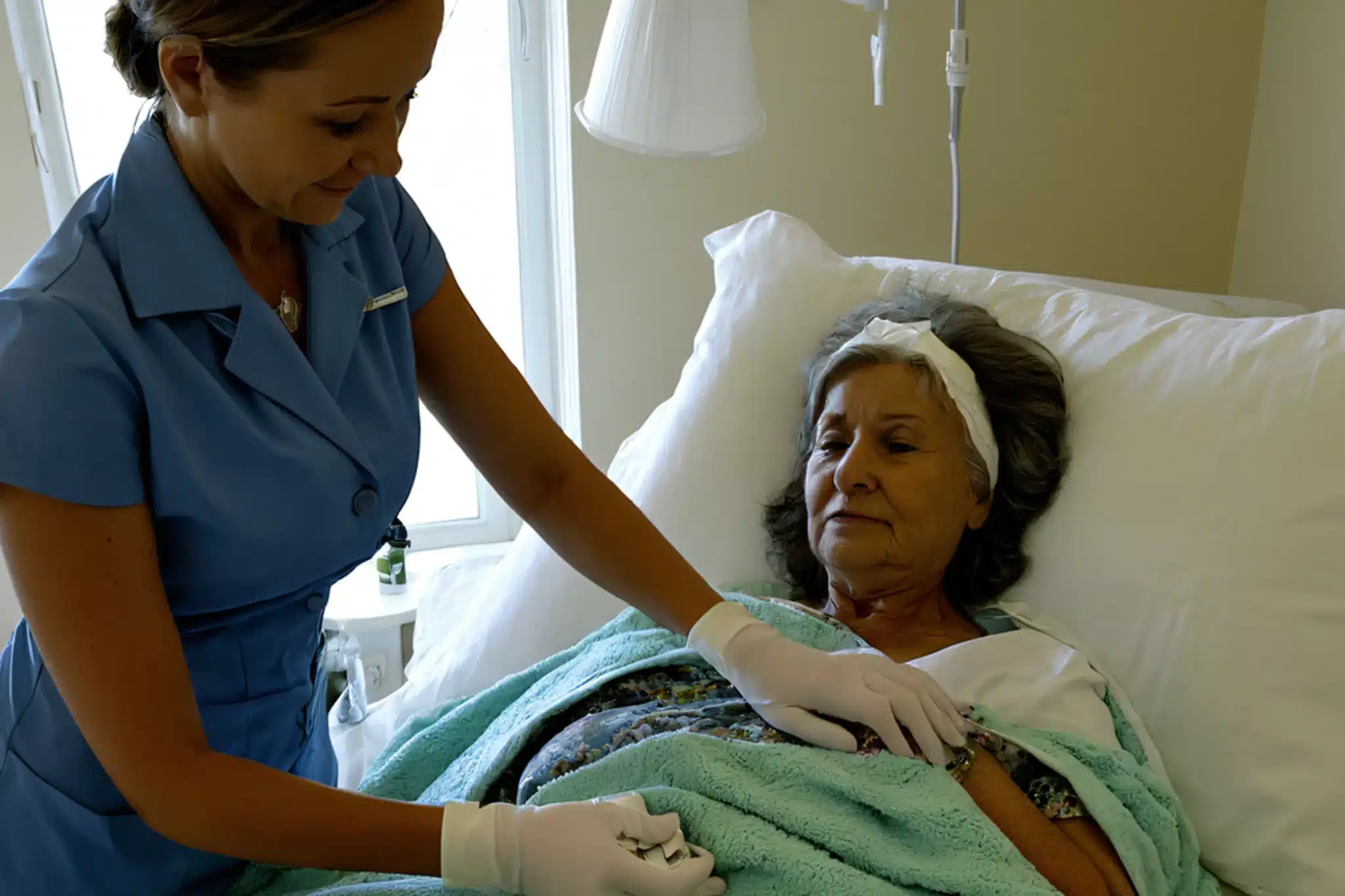
At Wound Care Delaware, we specialize in comprehensive nursing home ulcer treatment and care, ensuring the highest quality of support for residents dealing with pressure ulcers and other wound-related challenges. Our dedicated team of certified professionals is committed to delivering personalized care plans that address the unique needs of each individual. We prioritize wound assessment, prevention strategies, and advanced healing techniques to enhance the quality of life for nursing home residents. With an emphasis on compassion and expertise, we work collaboratively with nursing home staff and families to promote healing and comfort, making Wound Care Delaware a trusted partner in delivering exceptional care for vulnerable patients.
Assessment and Diagnosis of Pressure Ulcers
The assessment of pressure ulcers involves a comprehensive evaluation of the patient’s skin condition and surrounding factors that contribute to ulcer development. Caregivers must look for areas of redness, swelling, breakdown, or any signs of infection such as drainage or necrotic tissue. Utilizing tools such as the Braden Scale can help assess the patient’s risk factors, including mobility, moisture exposure, and nutritional status. Immediate documentation of findings is essential to establish a baseline and monitor changes over time.
Diagnosis often entails a collaboration between nurses, physicians, and other healthcare professionals. A thorough nursing diagnosis can identify potential complications, such as osteomyelitis or sepsis, that may arise from untreated ulcers. Regular assessments should focus on the condition of the surrounding tissues, level of pain, and any signs of tissue perfusion issues. Properly addressing these factors may enhance the management plan and improve outcomes for the patient.
Tools and Techniques
Effective assessment of pressure ulcers relies on a variety of tools and techniques that help clinicians determine the severity and necessary treatment options. The Braden Scale is a widely recognized tool for evaluating a patient's risk by assessing intrinsic factors such as sensory perception, moisture, activity level, mobility, nutrition, and friction or shear. This scale guides healthcare professionals in identifying individuals at higher risk for developing pressure ulcers and prompting timely interventions. Regular assessments during appointments are crucial to monitor changes and adjust care plans as needed.
In addition to risk assessment tools, various treatment protocols are essential for managing existing pressure ulcers. Wound care often involves cleaning necrotic tissue and using materials like normal saline or Betadine to minimize bacterial infection while promoting healing. Advanced methods such as hyperbaric oxygen therapy can enhance oxygenation of soft tissue, accelerating recovery. Clinicians should also consider nutritional interventions, as poor nutrition can hinder healing processes, making the repair of damaged skin slower and more complicated. Monitoring factors like urine output and signs of cellulitis plays a vital role in determining the effectiveness of the treatment plans.
Treatment Options for Pressure Ulcers
Effective treatment options for pressure ulcers are essential for promoting healing and improving the quality of life for affected individuals. A thorough nursing assessment is crucial in determining the severity of the ulcer and identifying appropriate interventions. Healthcare providers often utilize wound care protocols that incorporate both cleansing and debridement techniques. Autolytic debridement is a common method used, as it allows the body’s natural processes to remove dead tissue without the need for invasive procedures. Topical antibiotics may be applied to prevent infection, particularly in cases where the ulcer is exposed to feces or other contaminants. Pain medications can help manage discomfort associated with the wound, ensuring patient compliance with treatment and enhancing their overall well-being.
In addition to direct wound care, addressing underlying issues such as malnutrition is vital for effective healing. Nutritional interventions should be tailored to the individual’s specific needs, considering factors like their metabolic rate and comorbidities. Adequate protein intake, vitamins, and minerals are essential for tissue repair and the formation of granulation tissue. Regular evaluation of the patient's nutritional status can guide adjustments in dietary plans, aimed at improving healing outcomes. Maintaining a proper range of motion and minimizing shear force on the skin can further reduce the risk of complications. Collaboration among nursing staff, dietitians, and podiatry can ensure comprehensive care that addresses all aspects of the patient's condition.
Wound Care Protocols
Effective wound care protocols are essential in managing pressure ulcers and other chronic wounds. Proper assessment using the Braden Scale aids in identifying risk factors, including mobility, nutrition, and skin moisture. Once a decubitus ulcer or bedsore is diagnosed, the appropriate wound dressing should be applied. Common options include hydrocolloid dressings, foam dressings, and negative pressure wound therapy (NPWT). This therapy promotes healing by enhancing blood flow to the area and removing exudate. Regular monitoring for signs of infection, such as fever or local redness, is crucial to prevent complications like bacteremia or septicemia.
In addition to dressing selection, wound care should involve thorough cleansing of the ulcerated area. Antimicrobial agents like povidone-iodine or Betadine can be used to reduce bacterial load, especially in cases involving methicillin-resistant staphylococcus aureus. If necrotic tissue is present, débridement may be necessary to promote effective healing. Involving physical therapists in the care plan may enhance mobilization and expedite recovery. Multidisciplinary approaches, including input from nutritionists for potential malnourished patients, will further improve overall healthcare quality in long-term care facilities. Learn more about our chronic wound care services to understand how ongoing management supports long-term recovery.
Role of Nutrition in Ulcer Healing
Adequate nutrition plays a critical role in the healing of pressure ulcers. A well-balanced diet enriched with essential nutrients supports the repair of damaged tissues and promotes overall health. Vitamins and minerals, particularly vitamin C and zinc, are vital for collagen synthesis and tissue remodeling. Individuals with underlying conditions such as diabetes or hypertension may have increased nutritional requirements, making it essential to monitor their dietary intake closely. Addressing deficiencies in protein, which is crucial for maintaining muscle mass and promoting wound healing, can greatly impact recovery outcomes.
Incorporating a variety of foods can enhance the healing process and reduce the risk of complications. Medical professionals often advocate for high-protein foods, whole grains, fruits, and vegetables to improve microcirculation and aid in the delivery of nutrients necessary for tissue regeneration. Nutritional interventions should be tailored to the individual's needs and preferences, considering their medical history and any existing chronic conditions. Careful assessment of each resident's dietary habits and nutritional status allows nurse practitioners to create effective care plans that support optimal healing and prevent further decline. For patients with diabetes-related ulcers, our diabetic ulcer care programs provide targeted nutrition and treatment options.
Nutritional Interventions
Adequate nutrition is essential for the healing process of pressure ulcers. A well-balanced diet rich in proteins, vitamins, and minerals fosters tissue repair and enhances overall health. Dietitians often recommend incorporating foods high in zinc and vitamin C to support immune function and collagen synthesis. Individuals with chronic illnesses or those in long-term care settings may require tailored nutritional plans to address their specific needs, particularly when recovery from injuries or surgeries is a priority.
In addition to oral intake, alternative methods such as tube feeding may be employed when oral nutrition is insufficient. Monitoring nutritional status through regular assessments can help identify deficiencies that could impede healing. Healthcare providers may also recommend supplementation when necessary to ensure patients receive the necessary nutrients for optimal recovery. Maintaining proper hydration is another vital aspect, as it affects blood flow and skin integrity, allowing the body to effectively respond to any underlying infections. Explore how our non-healing wound care services can help patients with complex nutritional or metabolic challenges recover more effectively.